
Stabilizing Agricultural Structures with Earth Auger Anchors | Quiedan

Learn how earth auger anchors improve the stability of trellis systems, shade structures, hoop houses, and agricultural installations. Discover why growers trust earth anchors for long-term structural support. /earth-auger-anchors-agricultural-structures
Why Use Earth Auger Anchors
Deep soil grip.
Resist uplift and lateral forces.
Quick installation.
Minimal soil disturbance.
Reusable and adjustable.
Cost-effective compared to concrete footings.
Ideal for uneven or soft ground.
Earth auger anchors provide reliable hold in various soil types. They prevent shifting during storms or heavy winds. I trust them to protect crops and maintain structure integrity.

How Earth Auger Anchors Work
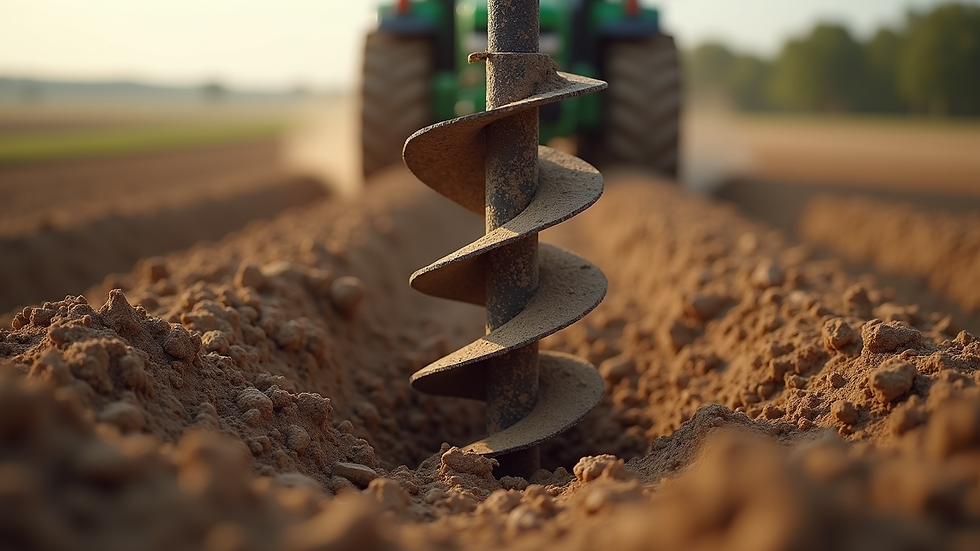
Screw-shaped shaft drills into the ground.
Helical plates create resistance.
Load transfers from structure to soil.
Anchors resist pullout and lateral movement.
Can be installed by hand or machine.
Depth and diameter vary by load requirements.
The design maximizes surface area contact with soil. This creates strong holding power. I select anchor size based on structure weight and soil conditions.
Installation Tips for Earth Auger Anchors
Choose anchor size for load and soil type.
Use power auger for deep or hard soil.
Drill vertically for best hold.
Avoid hitting rocks or roots.
Insert anchor fully to specified depth.
Attach structure frame securely to anchor eye or plate.
Check alignment and tension regularly.
Proper installation ensures maximum stability. I always inspect anchors after storms or heavy use. Maintenance extends anchor life and structure safety.
Applications in Agriculture
Trellis systems for vineyards and orchards.
Shade structures for nurseries and greenhouses.
High tunnels and hoop houses.
Temporary fencing and windbreaks.
Irrigation system supports.
Crop protection netting frames.
Earth auger anchors adapt to many agricultural needs. They stabilize structures that protect plants and improve yields. I recommend them for any grower needing durable, climate-smart solutions.
Choosing the Right Earth Auger Anchors
Assess soil type: sandy, clay, loam.
Calculate load: wind, snow, crop weight.
Select anchor diameter and length accordingly.
Consider corrosion resistance: galvanized or stainless steel.
Match anchor head type to structure connection.
Source from trusted suppliers.
For local projects, I often turn to earth auger anchors prunedale for quality and service. Proper selection prevents costly failures and downtime.
Maximizing Structure Longevity
Use anchors with corrosion protection.
Inspect anchors annually.
Tighten connections as needed.
Replace damaged anchors promptly.
Combine with other stabilization methods if required.
Monitor soil erosion around anchors.
Long-term performance depends on maintenance. I build trust in earth auger anchors by following these steps. They keep structures safe season after season.
Final Thoughts on Earth Auger Anchors
Essential for stable agricultural structures.
Provide strong, reliable soil anchoring.
Easy to install and maintain.
Versatile for many farm applications.
Cost-effective alternative to concrete.
Support climate-smart farming goals.
I rely on earth auger anchors to protect crops and investments. They help manage microclimates and reduce weather risks. For growers seeking durable solutions, these anchors are a smart choice.


Comments